Clinical performance of Repavar® rosehip oil formulation enriched with growth factors in the treatment of cutaneous lesions: A prospective multicenter study under routine
Lorena Bellas, Lourdes Ubiria, VÃ?Âctor MicÃ?³, Husein Husein-ElAhmed, Francisco Benavente Ortiz, Lisset M. SardÃ?¡, Sara B. Alvarez, Amaia de Mariscal, Inmaculada Garay, Fernando Pulgar, Antonio Morillo-Velarde, Miguel Servera, Anna LÃ?³pez, Gala Valero, Marion M. Chavez-Bourgeois, Juan M. Revelles, Elena Sotomayor, Carmen Carranza, Sara I. Palencia, Nuria Diez, Josep GonzÃ?¡lez, Priti M. Melwani, MarÃ?Âa T. Arguisjuela, Nuria PÃ?©rez, Francisco M. AlmazÃ?¡n-FernÃ?¡ndez, Santiago Vidal-Asensi
Zurko Research, Av. de la Osa Mayor, 4, Moncloa - Aravaca, 28023 Madrid, Spain Department of Dermatology, Hospital de Baza, CP: 18800, Granada, Spain Independent Researcher Clínica Dermatológica Motril. 18600, Granada, Spain Dermogalénica SL, 28028, Madrid, Spain
Published Date: 2026-05-30DOI10.36648/2321-2748.11.2.100
1Zurko Research, Av. de la Osa Mayor, 4, Moncloa - Aravaca, 28023 Madrid, Spain
2Department of Dermatology, Hospital de Baza, CP: 18800, Granada, Spain
3Independent Researcher, Spain
4Clínica Dermatológica Motril. 18600, Granada, Spain
5Dermogalénica SL, 28028, Madrid, Spain
- Corresponding Author:
- Lorena Bellas Domínguez
Zurko Research, Av. de la Osa Mayor, 4
Moncloa - Aravaca, 28023 Madrid, Spain
Tel: + 34915211588
E-mail: lorena.bellas@zurkoresearch.com
Received: 29 April, 2026, Manuscript No. ipsdsc-26-21127; Editor assigned: 01 May, 2026, PreQC No. P-21127; Reviewed: 16 May, 2026, QC No. Q-21127; Revised: 22 May, 2026, Manuscript No. R-21127; Published: 30 May, 2026, DOI: 10.36648/2321-2748.11.2.100
Citation: Bellas L, Ubiria L, Micó V, Husein- El Ahmed H, Ortiz FB, etc. (2026) Clinical performance of Repavar® rosehip oil formulation enriched with growth factors in the treatment of cutaneous lesions: A prospective multicenter study under routine dermatological practice Vol. 11 No. 2: 100
Copyright: © 2026 Bellas L, et al. This is an open-access article distributed under the terms of the Creative Commons Attribution License, which permits unrestricted use, distribution, and reproduction in any medium, provided the original author and source are credited.
Abstract
Objective: To evaluate the clinical efficacy and tolerability of a topical rosehip oil formulation enriched with growth factors in the treatment of different types of cutaneous lesions under routine clinical conditions. Objective to evaluate the clinical efficacy and tolerability of a topical rosehip oil formulation enriched with growth factors in the treatment of different types of cutaneous lesions under routine clinical conditions. Methods: A prospective, multicenter, open-label clinical study was conducted in 24 dermatology centers in Spain. A total of 105 adult participants with cutaneous lesions were enrolled, of whom 97 completed the study. Participants were classified into three groups: scars [n=53], ulcers [n=15] and post-dermatological procedure lesions [n=29]. The study product was applied twice daily for 1â??3 months depending on the lesion type. Clinical assessments were performed using modified POSAS and PUSH scales and a specific inflammatory lesion scale. Patients also completed evaluations using the POSAS scale, subjective questionnaires and satisfaction questionnaires for both panelists and researchers. Photographs were also taken at each experimental time point. Statistical analyses were conducted using cumulative mixed effects linear models, generalized linear mixed-effects models and McNemarâ??s test, selected according to the distribution and structure of each outcome variable. Results: Clinically meaningful and progressive improvements were observed across all lesion types. In the scar group, vascularization decreased by up to 70%, pigmentation by 67% and scar thickness by up to 75% after 12 weeks. Overall scar appearance improved by up to 59%. In patients with ulcers, lesion area decreased by 50%, with reductions in exudate and improvements in tissue characteristics. In post-procedural lesions, erythema, edema and epidermal barrier disruption improved rapidly, with overall lesion recovery reaching 85% after four weeks. Conclusions: The topical formulation containing rosehip oil and growth factors demonstrated clinically significant improvements in the healing of different types of cutaneous lesions and may represent a useful option for enhancing skin regeneration in dermatological practice.
Keywords
Wound healing; Rosehip oil; Scars; Ulcers; Skin regeneration; Dermatological procedures
Introduction
The skin, constituting a complex and extensive barrier interface with the external environment, is continuously exposed to diverse environmental stressors that can compromise its structural integrity and functional homeostasis [1]. Moreover, due to its constant interaction with the external environment, the skin is continuously subjected to diverse forms of physical, chemical and biological damage that initiate complex wound healing responses. These reparative processes, while essential for restoring tissue integrity, may not always fully reestablish the original structural and functional properties of the skin. Consequently, recurrent or severe environmental aggressions can result in transient alterations or permanent damage, including fibrosis, scarring and dysregulated barrier function [2]. Cutaneous wound healing is a complex biological process involving inflammatory, proliferative and remodeling phases that are tightly regulated at the cellular and molecular levels [3, 4]. Disruption of these mechanisms may lead to delayed healing, chronic wounds, or pathological scar formation [5]. A multifactorial cascade of mechanism which involves multiple systemic and local factors may influence the wound healing process, including vascular supply, infection, inflammatory responses and patient-related factors [6, 7]. Scars resulting from surgical procedures, traumatic injuries, or burns represent a common dermatological concern and may significantly affect patients’ quality of life [8, 9]. Similarly, chronic ulcers and inflammatory lesions secondary to dermatological or aesthetic procedures may negatively affect both functional recovery and aesthetic outcomes [9]. Restoration of the epidermal barrier is a critical component of the healing process and plays a key role in maintaining skin homeostasis and preventing infection [10, 11]. Topical regenerative treatments have increasingly attracted attention as potential therapeutic options for enhancing wound healing and improving clinical outcomes [12]. Among these, rosehip oil has gained interest due to its high content of essential fatty acids, antioxidants and bioactive compounds that may promote epidermal repair and dermal remodeling [13]. Experimental studies have demonstrated that rosehip oil may accelerate wound healing, stimulate collagen synthesis and modulate inflammatory responses involved in tissue repair [14, 15]. Natural products rich in bioactive compounds have therefore been proposed as promising agents in dermatological applications [16]. In addition, growth factors play a central role in wound healing by regulating cellular proliferation, migration, angiogenesis and extracellular matrix synthesis [17]. The combination of rosehip oil with growth factors may therefore enhance regenerative processes involved in skin repair. The aim of the present study was to evaluate the clinical efficacy and tolerability of the topical rosehip oil formulation Repavar® enriched with growth factors in patients with different types of cutaneous lesions under routine dermatological practice conditions. Evidence describing the performance of such formulations under routine dermatological practice remains limited, supporting the need for real-world clinical research.
Materials and Method
Study design
This was a prospective, multicenter, open label clinical study conducted across 24 dermatology centers in Spain under dermatological supervision. The investigational product, Repavar® [Ferrer], is an already commercially marketed dermatological formulation used in routine clinical practice. Participants were followed using a within subject control design, whereby each individual served as his or her own comparator throughout the observation period. All participants provided written informed consent in accordance with Good Clinical Practice guidelines. As this evaluation constituted a Post Market Clinical Follow-Up [PMCF] activity based exclusively on the routine use of a marketed product without additional intervention, formal ethics committee approval was not required.
Participants
A total of 105 adults were enrolled, of whom 97 completed the study and were allocated to three lesion based groups scars [n=53], ulcers [n=15] and post dermatological procedure lesions [n=29] with all eligible participants [≥ 18 years] (Figure 1). All participants provided written informed consent before enrollment.
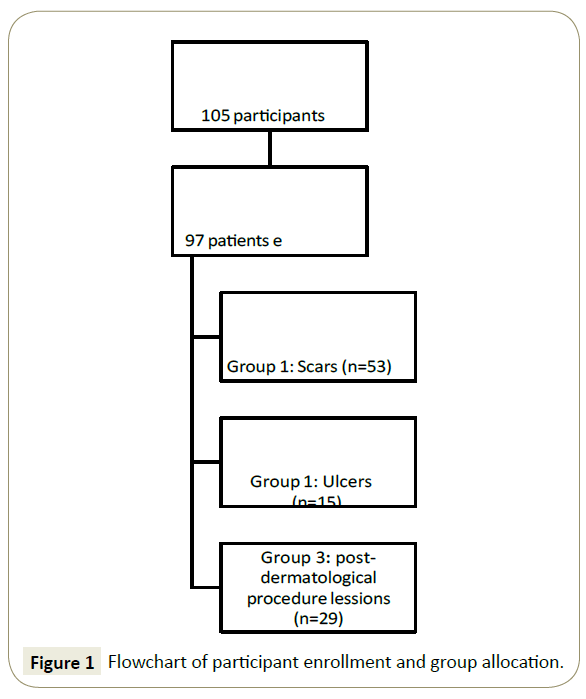
Figure 1: Key challenges in U.S. healthcare.
Study Product, Treatment Protocol and Clinical Assessments
The study product consisted of a topical formulation containing rosehip oil enriched with growth factors. Participants were instructed to apply the formulation twice daily to the affected area. Treatment duration varied according to lesion type, with patients presenting scars or ulcers receiving the product for 3 months, whereas those with post dermatological procedure lesions completed a 1month treatment period. Clinical evaluations were performed at baseline and throughout follow-up. For scars and ulcers, assessments were conducted at baseline [visit 1], week 4 [visit 2] and week 12 [visit 3]. In the case of post procedural lesions, evaluations took place at baseline [visit 1], week 1 [visit 2] and week 4 [visit 3]. Both investigator assessed outcomes and patient reported measures were collected during each follow-up visit. For post-procedural lesions, visits occurred at baseline [visit 1], week 1 [visit 2] and week 4 [visit 3]. Both investigator assessments and patient-reported outcomes were recorded.
Dermatologist assessment
Scar assessment was conducted using a modified Patient and Observer Scar Assessment Scale [POSAS], which evaluates vascularization, pigmentation, thickness, flexibility and surface characteristics [18]. Ulcer healing was assessed using a modified Pressure Ulcer Scale for Healing [PUSH], which evaluates lesion size, exudate amount and tissue characteristics [19, 20]. Post-procedural inflammatory lesions were evaluated using a clinical scale assessing erythema, edema and epidermal barrier disruption.
Patient-reported outcomes
Patients evaluated symptoms and aesthetic characteristics of their lesions using structured questionnaires or rating scales. Parameters assessed included pain, pruritus, color changes, firmness, irregularity and perceived aesthetic improvement.
Photographic capture
Photographs of the experimental area were taken during all visits. The iconographic control will always be done with the same camera [each dermatologist used their own], in the same place and with similar lighting and angle. Each dermatologist received a ruler from the promoter, which they used to measure the length of the lesion on the modified PUSH scale. It was also used when taking the image to place it next to the lesion and evaluate it in order to have a more accurate idea of the size and distance at which the photo was taken.
Statistical analysis
Ordered categorical variables were analyzed using cumulative mixed effects linear models, both for dermatologist assessed outcomes and for patient reported outcomes in Group 1. Dichotomous variables reported by patients in Groups 2 and 3 were evaluated using generalized mixed effects linear models with a binomial distribution. For specific dichotomous variables—surface reduction, erythema and aesthetic improvement— McNemar’s test was applied to compare visit 2 with visit 1, whereas cumulative mixed effects linear models were used to compare visit 3 with visit 2.
The overall condition of the lesions, as assessed by dermatologists in Groups 1, 2 and 3 and by patients in Group 1, was analyzed using generalized mixed effects linear models with a negative binomial distribution. The hierarchical structure of the data patients assessed at multiple visits by physicians from different centers was accounted for by incorporating random effects at the physician and patient levels, allowing random variability in the intercepts. Models were adjusted to evaluate the effect of treatment week, using the baseline visit [T0] as the general reference. For patient reported outcomes in Groups 2 and 3, certain variables were compared with the immediately preceding visit rather than with T0. In Group 1, the effect of scar type [atrophic vs. hypertrophic] was additionally examined and time effects were differentiated when statistical significance was detected. Statistical significance was defined as a p-value < 0.05 with 95% confidence intervals.
Ethical considerations:
This post market study used data obtained exclusively from the routine use of the marketed product; therefore, no ethics committee approval was required.
Results
The demographic characteristics of the participants who completed the study are summarized in Table 1. Overall, the final sample consisted of 97 patients with a mean age of 54.08 years. Distribution by sex showed a higher proportion of males [n=65] compared with females [n=32]. Prior use of similar topical products varied across the sample, with 56 participants reporting previous use, 25 reporting no use and 16 with missing or non-applicable data. When analyzed by lesion type, Group 1 [scars] included the largest number of participants
[n=53], with a mean age of 54.62 years and a male predominance. Group 2 [ulcers] comprised 15 participants, who were older on average [mean age 62.07 years]. Group 3 [post-dermatological procedure lesions] included 29 participants, presenting the lowest mean age [48.97 years]. Differences in previous product use were observed across groups, with Group 1 showing the highest proportion of prior users, whereas Groups 2 and 3 exhibited more heterogeneous patterns.
Scar group [Group 1]
A total of 53 patients with scars completed the study, including 22 with atrophic scars and 31 with hypertrophic scars (Table 2). Baseline scar type distribution is shown in Table 2. Across the 12-week treatment period, patients with scars showed consistent and clinically meaningful improvements in multiple POSAS-related parameters. As shown in Table 3, vascularization decreased progressively, reaching a 70% reduction at week 12 relative to baseline. Pigmentation followed a similar trajectory, decreasing by 67% at week 12. Improvements in thickness and surface were more pronounced in hypertrophic scars, with reductions of up to 75% at week 12, compared with reductions of 67% and 60% respectively in atrophic scars. Flexibility also improved substantially, reaching up to 80% improvement in hypertrophic scars and 60% in atrophic scars. General scar conditions improved by 43% in atrophic scars and 59% in hypertrophic scars by week 12 (Table 3).
Figure 2, Figure 3 and Figure 4 illustrate representative clinical evolution in Group 1, showing visible reductions in thickness, erythema, dyschromia and improved texture over consecutive visits.
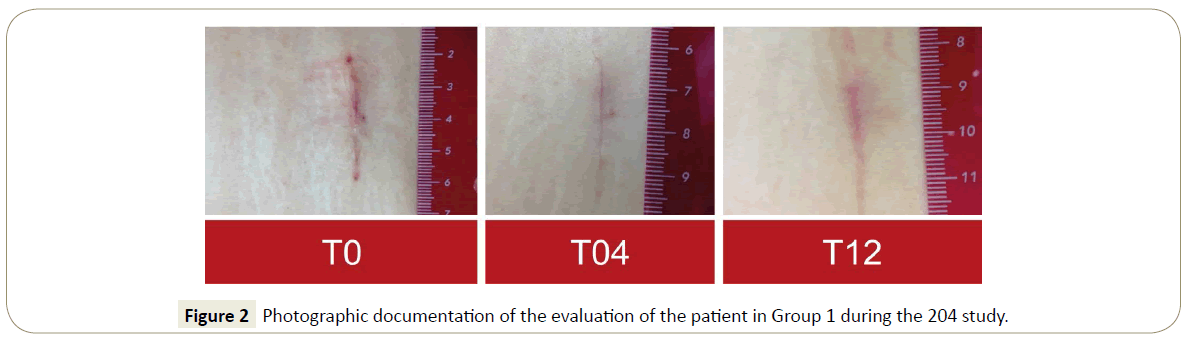
Figure 2: Key challenges in U.S. healthcare.
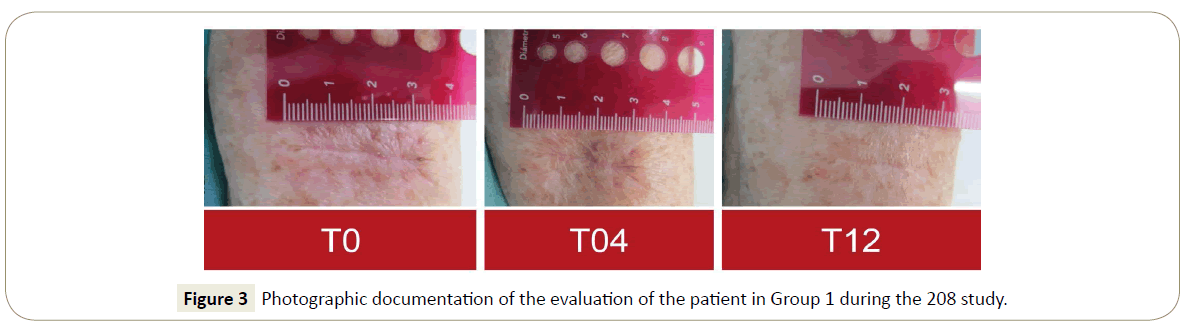
Figure 3: Key challenges in U.S. healthcare.
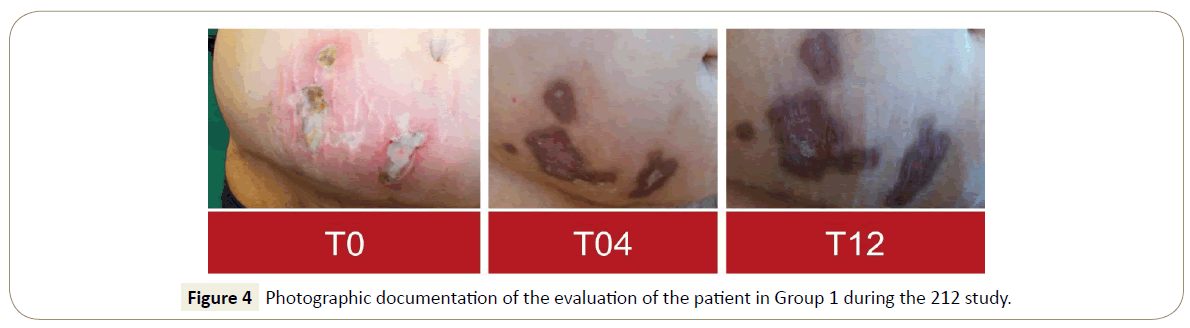
Figure 4: Key challenges in U.S. healthcare.
Ulcer group [Group 2]
Fifteen patients with chronic ulcers completed the study. Progressive clinical improvement was observed over the 12-week period. Although the number of ulcer cases was limited, a consistent pattern of clinical improvement was observed across key wound-healing parameters. As shown in Table 4, ulcer area decreased by 50% by week 12. Exudate levels decreased fully [100% reduction], reaching complete resolution in most cases by week 12. Tissue characteristics improved markedly, with transitions toward granulation and early epithelialization, reflected in significant reductions in tissue score at weeks 4 and 12. Pigmentation increased slightly as tissue quality improved, reflecting re-epithelialization processes. Overall clinical status improved by 35% at week 12. Figure 5 and Figure 6 show representative examples of ulcer progression, depicting visible reduction in wound depth, area, exudate and improved tissue structure over time.
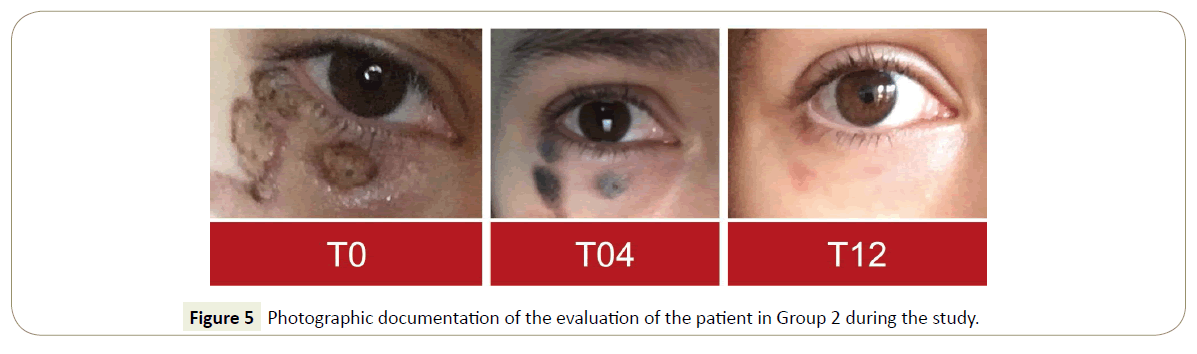
Figure 5: Key challenges in U.S. healthcare.
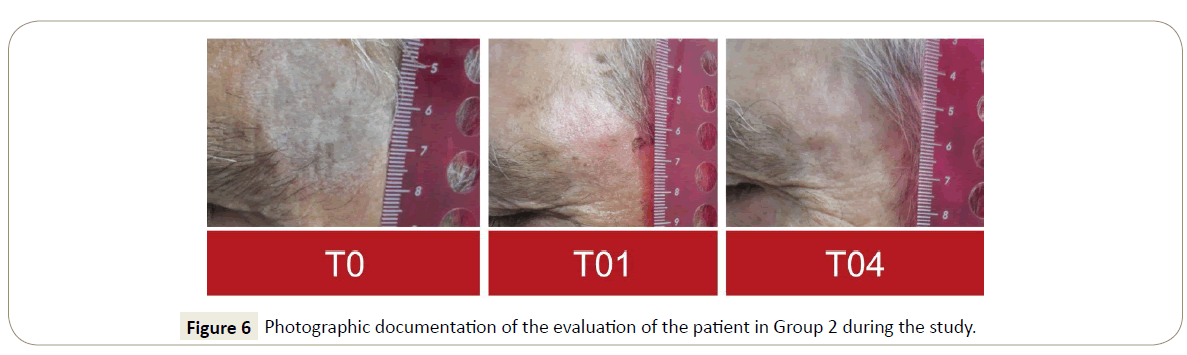
Figure 6: Key challenges in U.S. healthcare.
Post-procedural lesion group [Group 3]
Twenty nine patients with post dermatological procedure lesions completed the 4-week evaluation period. Rapid clinical improvement was observed as early as week 1. As summarized in Table 5, erythema decreased by approximately 50% after the first week and by 100% at week 4. Edema and epidermal barrier disruption showed a parallel pattern, with complete or near complete resolution by week 4. General lesion conditions improved substantially, with an 85% improvement at week relative to baseline.
Figure 7 provides representative visual evidence of the rapid reduction in inflammation, erythema and barrier disruption observed in this group. Figure 7 Photographic documentation of the evaluation of the patient in Group 3 during the study.
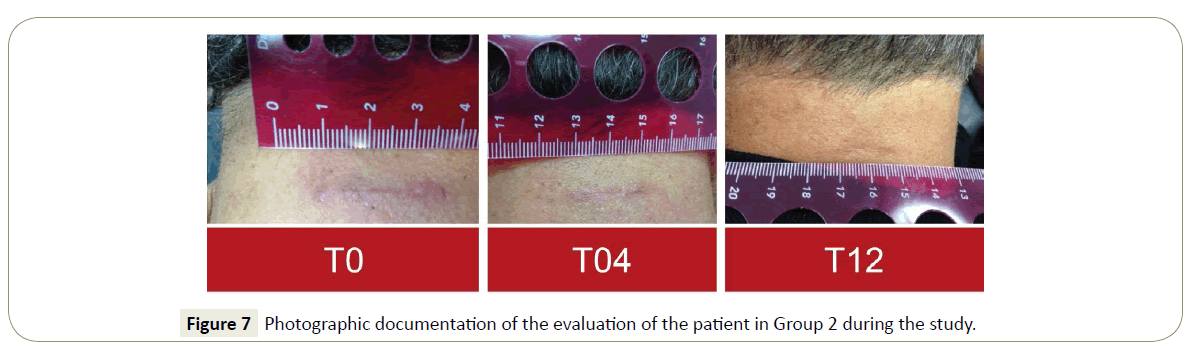
Figure 7: Key challenges in U.S. healthcare.
Patient Reported Outcomes [PROs]
Patient reported scale results for all three groups are included in Appendix I. The trends reported by patients were consistent with dermatologists’ assessments, showing progressive improvement in appearance, comfort and overall satisfaction across groups.
Discussion
This prospective multicenter study demonstrates that, under routine dermatological practice conditions, a topical formulation containing rosehip oil and growth factors may provide consistent and clinically relevant improvements in wound healing across different types of cutaneous lesions In scar treatment, reductions in vascularization, pigmentation and thickness suggest a beneficial effect on scar remodeling processes. Improvements in flexibility and surface characteristics further support the regenerative potential of the formulation. Compared with unattended [“natural”] healing, evidence based topical interventions can expedite closure and improve scar quality by actively optimizing- the wound microenvironment and modulating repair pathways [21].
The biological properties of rosehip oil, including its high content of essential fatty acids and antioxidant compounds, are known to contribute to epidermal repair and dermal remodeling [13-15]. Plant-derived oils rich in bioactive lipids have also been reported to exhibit anti-inflammatory and barrier-repair effects in dermatological conditions [22]. The role of topical lipid-rich agents may be particularly relevant during the remodeling phase of wound healing, when collagen reorganization, vascular regression and progressive softening of the scar determine the final clinical appearance. Dysregulation of these processes is central to pathological scarring, including hypertrophic and atrophic scar formation. The inclusion of growth factors in topical formulations may further enhance tissue regeneration by stimulating cellular proliferation, angiogenesis and extracellular matrix production [17].
From a mechanistic perspective, these effects could help support a more favorable transition from inflammation to proliferation and remodeling, which is essential for adequate scar maturation and tissue restoration. However, it should also be acknowledged that scar evolution is a complex and prolonged biological process influenced by multiple local and systemic factors, including wound depth, mechanical tension, age, skin phenotype, anatomical location and baseline inflammatory response. In the ulcer group, reductions in lesion size and exudate together with improved tissue characteristics indicate progression toward wound healing, which is consistent with established principles of wound bed preparation and ulcer management [23].
These findings are clinically meaningful, as control of exudate, optimization of moisture balance and promotion of healthy granulation tissue are recognized components of effective chronic wound care. The rapid improvement observed in post-procedural inflammatory lesions suggests that the formulation may also contribute to reducing inflammation and promoting restoration of the epidermal barrier, an essential element for effective skin repair [10, 11]. This is biologically plausible, given the documented barrier-supporting and anti-inflammatory effects of several plant oils, including rosehip oil, as well as the recognized importance of restoring epidermal integrity after controlled cutaneous injury. A major limitation of the present study is the absence of a control group. This decision was primarily based on ethical and clinical considerations, as the investigators considered it preferable to offer active treatment to all patients rather than withholding a potentially beneficial intervention.
Although this limits the strength of causal inference, the prospective design, the multicenter setting and the consistency of improvement across several clinically relevant endpoints provide supportive evidence of a treatment-associated effect. Another limitation is that follow-up could have been longer, particularly in the scar groups, since scar maturation is known to continue for several months and, in some cases, up to one year or longer. Nevertheless, the duration of follow-up was sufficient to detect early and clinically meaningful improvements in multiple parameters, suggesting that the formulation may exert a beneficial effect already in the initial phases of repair and remodeling. These findings should therefore be interpreted as promising but preliminary. One of the main strengths of the study is the favorable response observed across different lesion types, which suggests that the formulation may have broader dermatological utility. Future studies could evaluate its use in other wound types, additional inflammatory or reparative skin conditions and in populations with different ages, photo types and skin characteristics.
Controlled trials with longer follow-up periods would also help define the durability of the observed effects and clarify which patient subgroups may benefit most. Overall, the results support the potential usefulness of this topical formulation as an adjunctive strategy in cutaneous wound healing and scar care. Its possible advantages include ease of topical application, a favorable biological rationale and a broad spectrum of action on inflammation, barrier repair and tissue remodeling. At the same time, its limitations should be recognized: The lack of a control group, the relatively short follow-up for late scar outcomes and the inherent variability of cicatricle processes. In this context, the present findings should be viewed as a basis for further investigation rather than definitive proof of efficacy.
Conclusion
The topical formulation containing rosehip oil and growth factors demonstrated significant clinical benefits in the treatment of scars, ulcers and inflammatory lesions following dermatological procedures. These findings support the potential role of this product as a regenerative topical therapy capable of enhancing wound healing and improving dermatological outcomes.
Acknowledgements
The authors acknowledge Ferrer for their financial support and for providing the study product evaluated in this investigation.
Author Contributions
L.B. and V.M. carried out the analysis procedures, bibliographic research, data preparation, statistical analysis and wrote the initial drafts. H.H., F.B.O., L.M.S., L.U., S.B.A., A.M., I.G., F.P., A.M.V., M.S., F.M.A., A.L.A., G.V., M.M., J.M.R., E.S., C.C., S.I.P., S.V., N.D., P.M., M.T.A. and N.P. performed the experimental part of the study and were responsible for the clinical follow-up of the patients. All authors assisted in manuscript revision for intellectual content and approved the final version.
References
- Furman D, Auwerx J, Bulteau AL, Church G, Couturaud V, et al. (2025). Skin health and biological aging. Nat Aging 5: 1195-1206.
- Jiao Q, Zhi L, You B, Wang G, Wu N, et al. Skin homeostasis: Mechanism and influencing factors. J Cosmet Dermatol 23: (2024) 1518-1526.
- Broughton G, Janis JE, Attinger CE. (2006). The basic science of wound healing. Plast Reconstr Surg 117: 12S-34S.
- Eming SA, Martin P, (2014). Tomic-Canic M. Wound repair and regeneration: Mechanisms, signaling and translation. Sci Transl Med 6: 265sr6.
- Gurtner GC, Werner S, Barrandon Y, Longaker MT. (2008). Wound repair and regeneration. Nature 453: 314-321.
- Guo S, Dipietro LA. Factors affecting wound healing. (2010). J Dent Res 89: 219-229.
- Zhang H, Luo D, Cai G, Hu M, Fan Z, et al. (2026). Wound healing under the regulation of mechanically active biomaterials: From mechanism exploration to scar prevention. J Control Release 392: 114700.
- Mustoe TA, Cooter RD, Gold MH, Hobbs FD, Ramelet AA, et al. (2002). International clinical recommendations on scar management. Plast Reconstr Surg 110: 560-571.
- Atiyeh BS, Amm CA, El Musa KA. (2003). Improved scar quality following primary and secondary healing of cutaneous wounds. Aesthetic Plast Surg 27: 411-417.
- Elias PM. Skin barrier function. (2008). Curr Allergy Asthma Rep 8: 299-305.
- Proksch E, Brandner JM, Jensen JM. (2008). The skin: An indispensable barrier. Exp Dermatol 17: 1063-1072.
- Demidova-Rice TN, Hamblin MR, Herman IM. (2012). Acute and impaired wound healing: Pathophysiology and current methods for drug delivery, part 1: Normal and chronic wounds: Biology, causes and approaches to care. Adv Skin Wound Care 25: 304-314.
- Belkhelladi M, Bougrine A. Rosehip extract and wound healing: A review. (2024). J Cosmet Dermatol 23: 62-67.
- Lei Z, Cao Z, Yang Z, Ao M, Jin W, et al. (2019). Rosehip oil promotes excisional wound healing by accelerating the phenotypic transition of macrophages. Planta Med 85: 563-569.
- Oargă Porumb DP, Cornea-Cipcigan M, Cordea MI. (2024). Unveiling the mechanisms for the development of rosehip-based dermatological products: An updated review. Front Pharmacol 15: 1390419.
- Fernandes A, Rodrigues PM, Pintado M, Tavaria FK. (2023). A systematic review of natural products for skin applications: Targeting inflammation, wound healing and photo-aging. Phytomedicine 115: 154824.
- Barrientos S, Stojadinovic O, Golinko MS, Brem H, Tomic-Canic M. (2008). Growth factors and cytokines in wound healing. Wound Repair Regen 16: 585-601.
- Draaijers LJ, Tempelman FR, Botman YA, Tuinebreijer WE, Middelkoop E, et al. (2004). The patient and observer scar assessment scale: A reliable and feasible tool for scar evaluation. Plast Reconstr Surg 113: 1960-1965.
- Stotts NA, Rodeheaver GT, Thomas DR, Frantz RA, Bartolucci AA, et al. (2001). An instrument to measure healing in pressure ulcers: Development and validation of the pressure ulcer scale for healing (PUSH). J Gerontol A Biol Sci Med Sci 56: M795-M799.
- Thomas DR, Rodeheaver GT, Bartolucci AA, Franz RA, Sussman C, et al. (1997). Pressure ulcer scale for healing: Derivation and validation of the PUSH tool. The PUSH Task Force. Adv Wound Care 10: 96-101.
- Wei Y, Li J, Huang Y, Lei X, Zhang L, et al. (2022). The clinical effectiveness and safety of using epidermal growth factor, fibroblast growth factor and granulocyte-macrophage colony stimulating factor as therapeutics in acute skin wound healing: A systematic review and meta-analysis. Burns Trauma 10: tkac002.
- Lin TK, Zhong L, Santiago JL. (2017. Anti-inflammatory and skin barrier repair effects of topical application of some plant oils. Int J Mol Sci 19.
- Schultz GS, Sibbald RG, Falanga V, Ayello EA, Dowsett C, et al. (2003). Wound bed preparation: A systematic approach to wound management. Wound Repair Regen 11: S1-S28.
Google Scholar, Cross Ref, Indexed at
Google Scholar, Cross Ref, Indexed at
Google Scholar, Cross Ref, Indexed at
Google Scholar, Cross Ref, Indexed at
Google Scholar, Cross Ref, Indexed at
Google Scholar, Cross Ref, Indexed at
Google Scholar, Cross Ref, Indexed at
Google Scholar, Cross Ref, Indexed at
Google Scholar, Cross Ref, Indexed at
Google Scholar, Cross Ref, Indexed at
Google Scholar, Cross Ref, Indexed at
Google Scholar, Cross Ref, Indexed at
Google Scholar, Cross Ref, Indexed at
Google Scholar, Cross Ref, Indexed at
Google Scholar, Cross Ref, Indexed at
Google Scholar, Cross Ref, Indexed at
Google Scholar, Cross Ref, Indexed at
Google Scholar, Cross Ref, Indexed at
Google Scholar, Cross Ref, Indexed at
Open Access Journals
- Aquaculture & Veterinary Science
- Chemistry & Chemical Sciences
- Clinical Sciences
- Engineering
- General Science
- Genetics & Molecular Biology
- Health Care & Nursing
- Immunology & Microbiology
- Materials Science
- Mathematics & Physics
- Medical Sciences
- Neurology & Psychiatry
- Oncology & Cancer Science
- Pharmaceutical Sciences